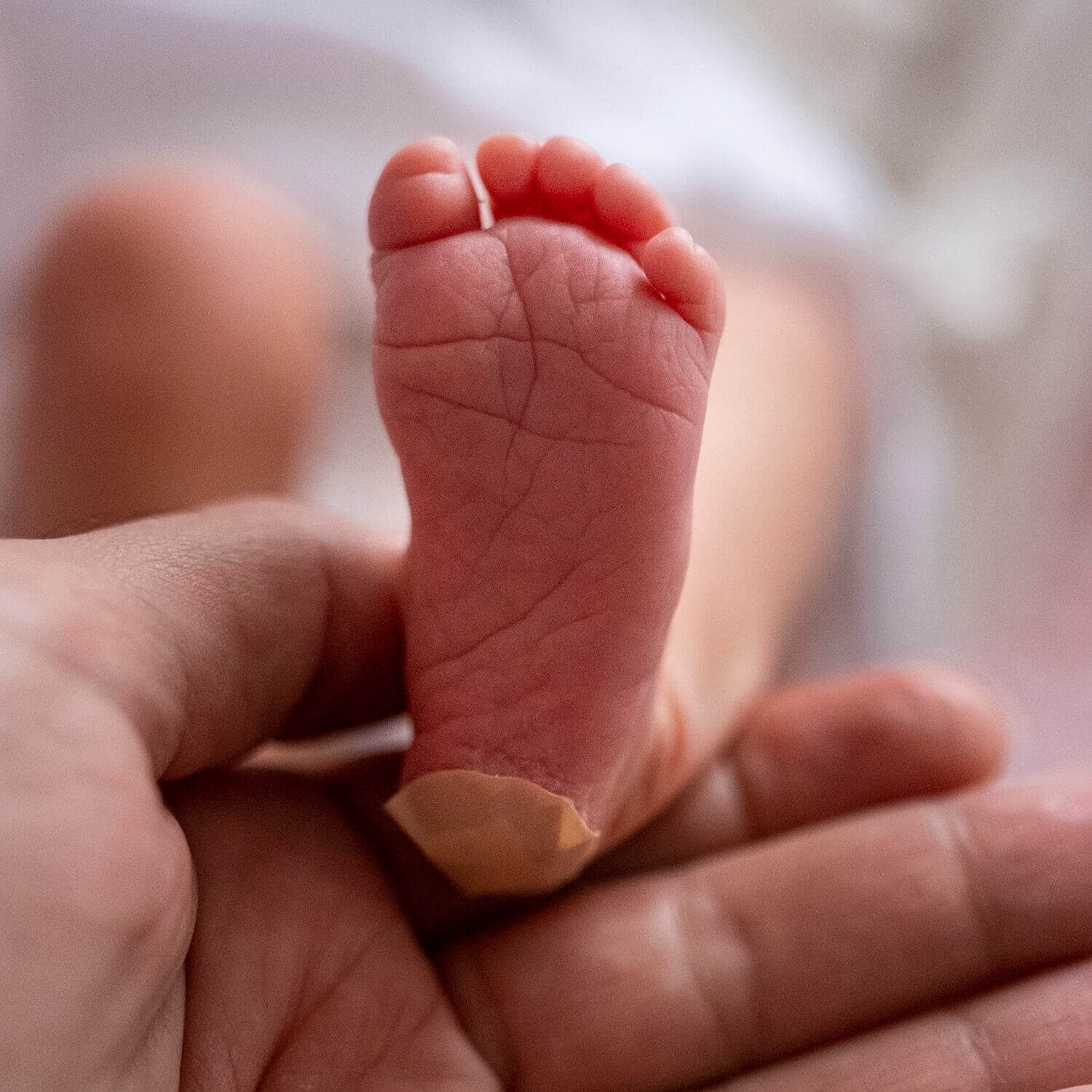
Newborn Screening and Genetics Overview

APHL drives newborn screening systems to excellence by shaping policy, promoting data-driven improvements and pursuing innovations in public health laboratory practice so all babies can have a healthier start.

Questions?

Contact the Newborn Screening and Genetics team: [email protected]

WHAT OUR MEMBER LABORATORIES DO

Giving Babies a Healthier Start

Newborn screening—recognized as the largest and most successful disease prevention system in the US—is the practice of testing every newborn for certain harmful or potentially fatal conditions that are not otherwise apparent at birth. Although such disorders are usually relatively rare, together they affect over 14,000 newborns each year in the US. Many of the disorders screened for are considered time-critical—meaning they pose a significant health risk to newborns within days of birth—so early detection is crucial to prevent death or a lifetime of severe health problems.

Newborn screening is mandatory in all US states and territories, and takes place before the newborn leaves the birth facility.

Public health laboratories screen nearly four million newborns born in the US each year, follow-up on actionable results and refer infants to clinical care for diagnosis and treatment as necessary. They play a vital role in ensuring that every newborn’s health is protected with timely, accurate screening.

Newborn screening is comprised of three different parts:

  1. Dried blood spot screening (identifies heritable disorders)
  2. Hearing screening
  3. Critical congenital heart disease screening.

Public health laboratories conduct screenings on dried blood spots.

Newborn screening programs are state- or territory-based, so variations exist between programs in the number of disorders screened and the number of routine specimens collected from each newborn.

While states determine which disorders to screen, federal guidance is provided by the US Department of Health and Human Services’ Advisory Committee on Heritable Disorders in Newborns and Children, and includes the Recommended Uniform Screening Panel (RUSP).

Occasionally, states may add disorders through legislative routes motivated by parents, disorder advocates and/or specialists, researchers and clinicians. These disorders can be unique to certain states’ screening panels and may not necessarily be screened nationally.

View a list of disorders screened by each state

What APHL Does

Supporting a Responsive Laboratory System

APHL works to ensure every baby has a chance at a healthier future by providing resources, guidance and support to newborn screening laboratories so they can identify conditions before the onset of symptoms and providing timely follow-up and treatment. Below are just a few ways we bring this vision to life.

Hear From Us

Communications and Publications

Get the Latest News

Visit the Newborn Screening and Genetics Newsletter page to read previous issues and subscribe.

Newborn Screening and Genetics Newsletter:

MARCH 2026

Stories From the Field

Read the latest stories about newborn screening laboratory science in action from APHL’s Blog and Lab Matters Magazine.

Join Us

Events and Communities

Events and Meetings

We sponsor a variety of educational opportunities—from an annual symposium to webinars and workshops, presented live and then archived—that examine screening platforms and methodologies, clinical aspects of newborn screening disorders and related policy issues, among other topics. 

Visit the Newborn Screening Resources, Training and Events page for a list of our standing events, and the APHL Events Calendar for a list of all upcoming events and webinars.

APHL Committees

Learn more about the work APHL and our members are doing to propel newborn screening science forward, and how to join us:

Find Your Community

APHL’s ColLABorate Online Communities provide an opportunity to connect with others working in the same field or with similar areas of interest. Email us to learn more about joining one of our communities: