APHL develops and promotes tools and resources to ensure access to high quality testing. APHL works closely with our member public health laboratories, which serve a critical role in rapid and accurate testing to inform patient management, public health action and surveillance of these highly contagious pathogens.
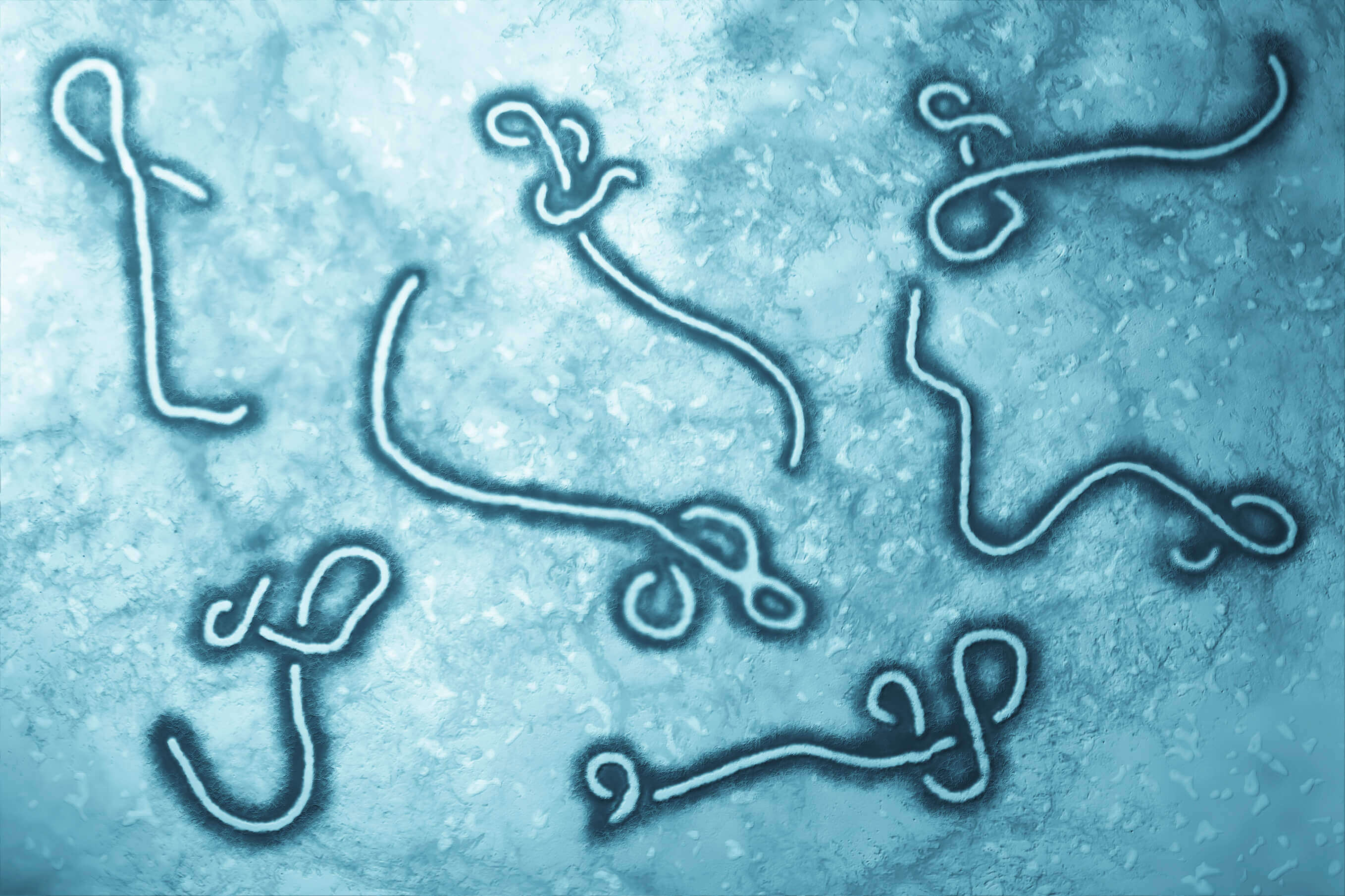
Ebola virus disease (Ebola) is caused by a group of viruses known as orthoebolaviruses (formerly ebolavirus). Three of these viruses cause severe illness in people, presenting with a clinically-similar viral hemorrhagic fever:
- Ebola virus (EBOV) [Orthoebolavirus zairense, previously Zaire ebolavirus]
- Sudan virus (SUDV) [Orthoebolavirus sudanense, previously Sudan ebolavirus]
- Bundibugyo virus (BDV) [Orthoebolavirus bundibugyoense, previously Bundibuygo ebolavirus]
A fourth virus, Taï Forest virus (TAFV, Orthoebolavirus taiense) has caused a single recorded case of non-lethal human disease. Historical case fatality rates have varied significantly; the average fatality rate is approximately 50%. In outbreaks casused by Ebola virus, fatality rates have often ranged from 70–90%, though actual mortality may vary depending on outbreak conditions, timing of care, and available therapeutics. Ebola is transmitted through direct contact (via broken skin or mucous membranes) with infected bodily fluids—such as blood, vomit, urine, feces, saliva, sweat, semen or breast milk—or with surfaces or materials contaminated with such fluids.
Ebola was first recognized in 1976 in near-simultaneous outbreaks in what are now the Democratic Republic of Congo (formerly Zaire) and South Sudan (formerly Sudan). Since then, there have been more than 35 documented outbreaks, primarily in Central and West Africa.
Hantaviruses can cause diseases such as hantavirus pulmonary syndrome (HPS) and hemorrhagic fever with renal syndrome (HFRS). This family of viruses are usually spread to humans from rodents and can infect and cause serious disease in people worldwide. In the US, the most common hantavirus is Sin Nombre virus (SNV) which is spread by the deer mouse.
In 2026 there was an outbreak of Andes virus aboard a cruise ship in the Atlantic Ocean which has since been contained and declared over by international health agencies. The event resulted in 13 cases and three deaths globally, but there were no cases of Andes virus in the US associated with the outbreak.
Learn more about APHL's past Andes virus response
Many public health laboratories in the US can conduct testing for several viral special pathogens. Frequently, testing for these pathogens are coordinated through the Laboratory Response Network using assays developed by the LRN and/or using commercially available assays. APHL also collaborates with the US Centers for Disease Control and Prevention (CDC) and African Society for Laboratory Medicine (ASLM) to develop guidance, implement training and provide necessary support for laboratories outside the US to ensure they are able to perform safe, high quality and efficient testing.