
- California
- Four Corners States Biomonitoring Consortium (Arizona, Colorado, New Mexico and Utah)
- Massachusetts
- New Hampshire
- New Jersey
- Virginia
Human Biomonitoring
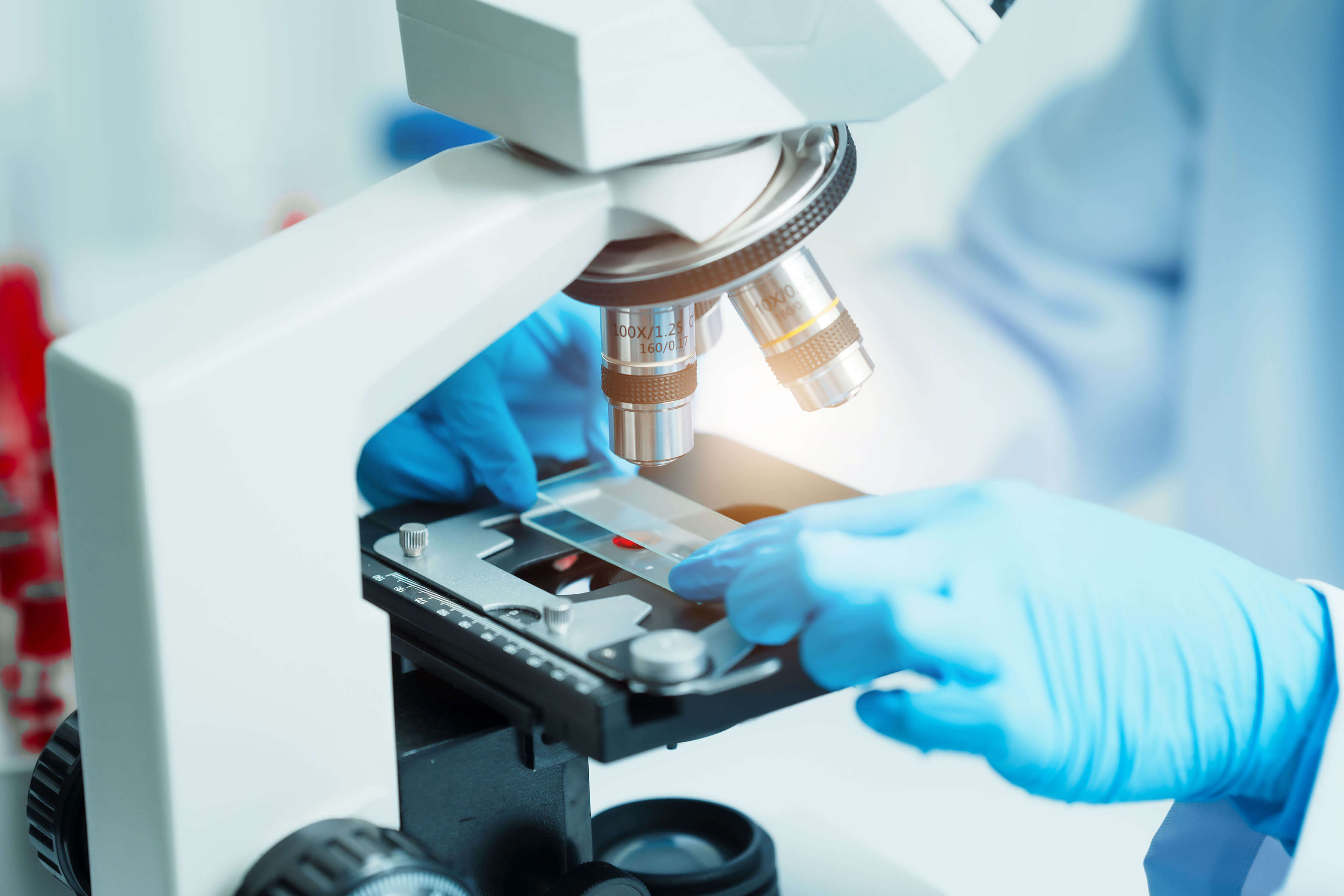
Environmental health laboratories use biomonitoring to measure the amount of chemicals in a person’s body, which can help identify and track exposure trends and inform public health action. APHL produces resources and trainings that help laboratories and health agencies use biomonitoring data to understand and respond to environmental exposures.
Questions?
Contact the Environmental Health team: [email protected]
About Human Biomonitoring
Biomonitoring measures the amount of specific chemicals in a person's body at a given time. When coupled with exposure information, laboratory data can offer insights into potential public health interventions and exposure reduction strategies. When samples are collected broadly and systematically, biomonitoring data can help identify and track trends, such as geographic regions with higher than typical exposure levels, or exposures to emerging contaminants. It can also identify when exposure is no longer a concern, perhaps as the result of a public health policy or intervention.
State Biomonitoring Programs
State biomonitoring programs investigate community concerns and/or systematically identify and track ongoing chemical exposure trends in their state populations. Through population-based surveillance or targeted investigations for groups with identified exposures, state biomonitoring programs work to improve community health and reduce chemical exposures.
Programs Funded by CDC State Biomonitoring Cooperative Agreement
State biomonitoring programs investigate community concerns and/or systematically identify and track ongoing chemical exposure trends in their state populations. Through population-based surveillance or targeted investigations for groups with identified exposures, state biomonitoring programs work to improve community health and reduce chemical exposures. State Biomonitoring Cooperative Agreement has funded states to expand targeted and population-based biomonitoring surveillance since 2009.
Currently funded programs (2024–2027)
- Four Corners States Biomonitoring Consortium (Arizona, Colorado, New Mexico and Utah)
- Michigan
- Massachusetts
- Minnesota
- New York
- Wisconsin
Previously Funded Programs
Other State, Local and University-based Biomonitoring Programs
Programs below include collaborations between government and university partners:
- Alaska: Alaska Statewide Hair Mercury Biomonitoring Program
- Iowa: Iowa State Hygienic Laboratory and University of Iowa
- Minnesota: Minnesota Department of Health
- Michigan: Michigan Department of Health and Human Services
- Rhode Island: State of Rhode Island Department of Health
Our Work
Supporting Human Biomonitoring Programs
Technical Resources
- Biomonitoring 101: The Secret Sauce of Implementing a State Biomonitoring Program
- Practical Strategies for Interpreting and Communicating Biomonitoring Results to Participants
- Endocrine Disruptors and Public Health Laboratories
- Per- and Polyfluoroalkyl Substances: A Laboratory Primer
- Lead Testing, Response & Communications
APHL’s Biomonitoring Peer-to-peer Exchange Program matches biomonitoring laboratory scientists for in-person exchanges based on self-identified strengths and needs. These visits provide opportunities to share best practices, address challenges and build consistency across biomonitoring programs. APHL will fund travel for selected public health laboratory staff participants to visit peer laboratories for hands-on learning.
Applications for the 2026 cohort are closed.
- Communicating Biomonitoring Results - This 38 minute self-facilitated training module provides an overview of health risk communication related to human biomonitoring.
- Specimen Collection Module - This 15 minute self-facilitated training module provides an overview of best practices for specimen collection in human biomonitoring.
Additional Information
- CDC National Exposure Report (2023)
- CDC Environmental Public Health Tracking
- CDC National Health and Nutrition Examination Survey (NHANES)
- CDC Improving the Collection and Management of Human Samples Used for Measuring Environmental Chemicals and Nutrition Indicators (2018)
- NIH Exposure Analysis Resources (HHEAR, CHEAR)
- What is Biomonitoring? Video